
WXObservation learning path
Understand weather
Learn why weather phenomena form, what they mean, and how to distinguish conditions that can look or sound alike.
11 published guides
Move from a name to an explanation
Understand what the atmosphere is doing and why
Weather terms are easier to remember when they are connected to a process. A cloud shape, icy deposit, temperature index, or flash on the horizon is evidence of something happening in the atmosphere. Understanding the ingredients and motion behind it is more dependable than matching one dramatic photograph.
This path explains familiar phenomena, clears up misleading names, and separates features that are often confused. The goal is not to turn every reader into a forecaster. It is to help you ask better questions, recognize the limits of a visual clue, and describe what you observed without becoming more certain than the evidence allows.
Choose by reader task
Choose a starting point
Choose a familiar question, a misunderstood phenomenon, or a term you have encountered in a forecast. Each starting point demonstrates a different way to investigate weather.
What Causes Heat Lightning? The Distant-Storm Myth Explained
Learn why heat lightning is ordinary lightning from a storm too distant for its thunder to reach you.Read this guideWhat Is Freezing Fog? How It Forms and Why It Is Dangerous
Connect freezing fog, supercooled droplets, ice accretion, visibility, and travel hazards.Read this guideComplete article directory
All Understand weather guides
Browse every published guide in this path. New articles will appear here as the library grows.
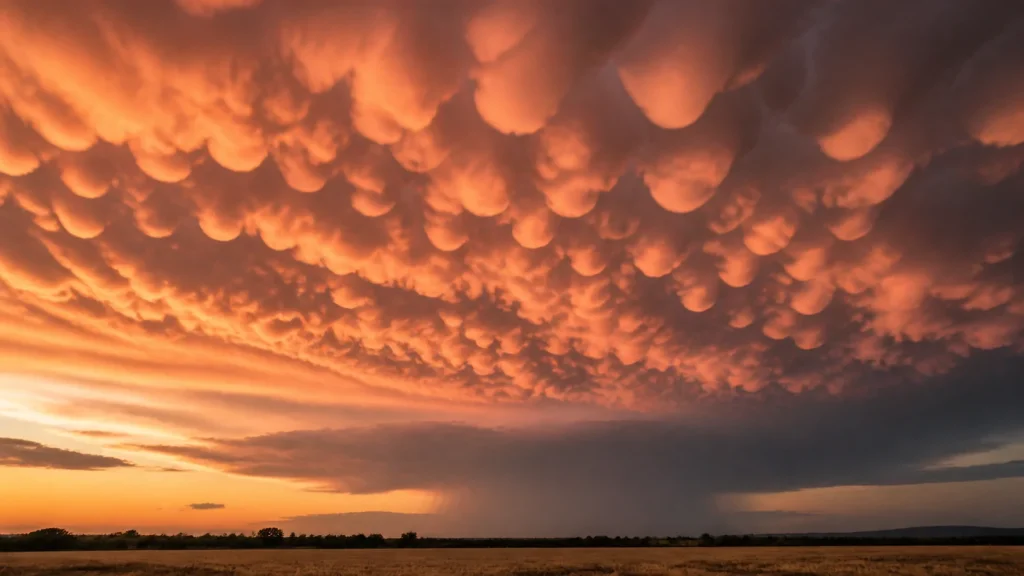
Understand weather
Do Mammatus Clouds Mean a Tornado Is Coming?
Mammatus clouds can accompany strong thunderstorms but do not mean a tornado is coming. Learn what the pouches are, when they appear, and which…
Read guide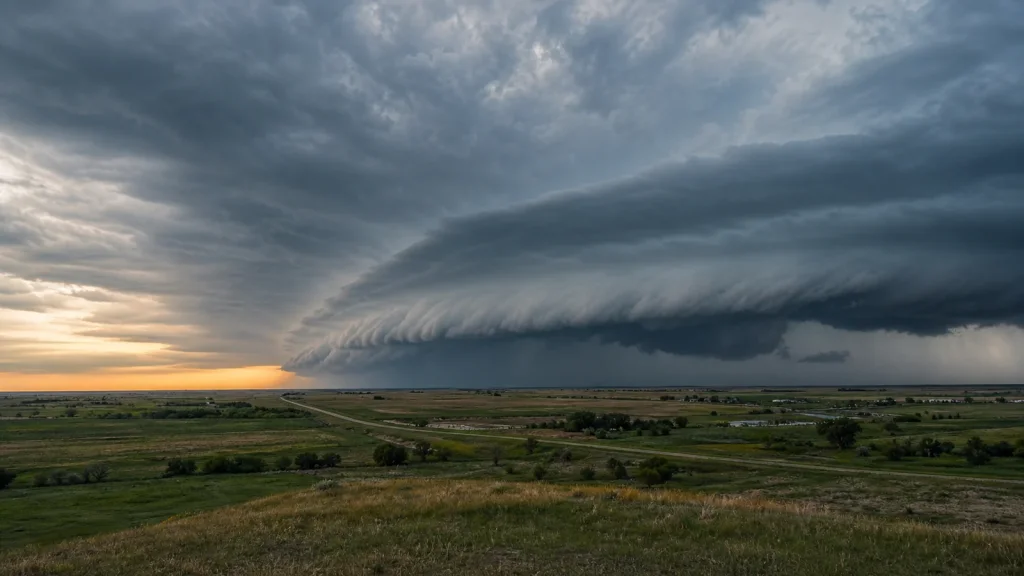
Understand weather
Derecho vs. Bow Echo vs. Squall Line: What Is the Difference?
A clear, practical comparison of squall lines, bow echoes, and derechos, including radar structure, wind hazards, warning language, and common misconceptions.
Read guide
Understand weather
Why Is Autumn Called Fall? The History of Both Season Names
Autumn and fall name the same season. Autumn came through French and Latin. Fall grew from the English phrase “fall of the leaf.”
Read guide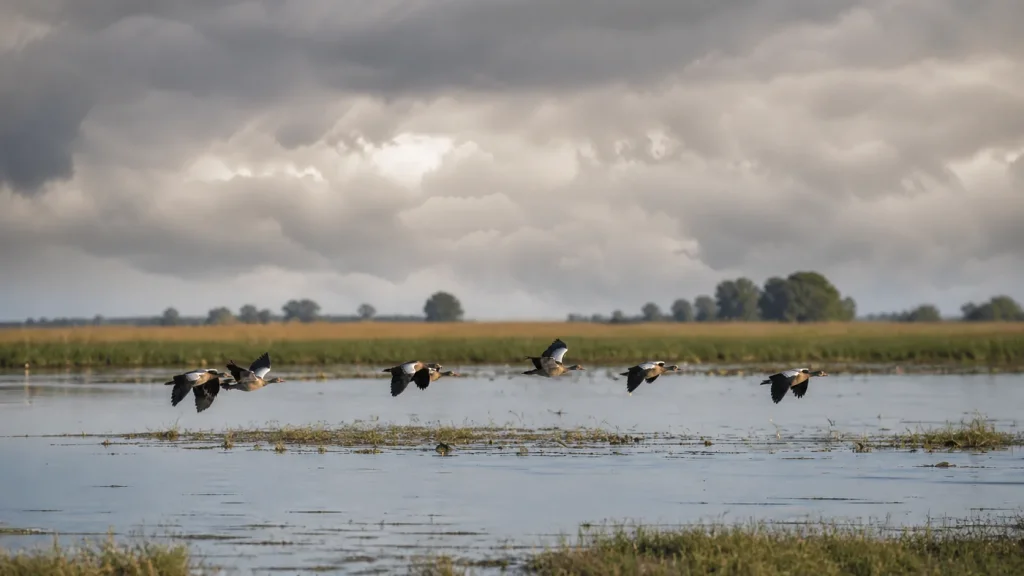
Understand weather
Can Animals Predict the Weather? What the Science Actually Shows
Animals can respond to pressure, wind, humidity, sound, and other environmental cues. That is not the same as reliably forecasting a storm before instruments…
Read guide
Understand weather
Ice Pillars Explained: What Causes Light Pillars in the Sky?
Those glowing columns above streetlights are not beams shooting upward. They are a beautiful optical illusion made by light reflecting from countless ice crystals.
Read guide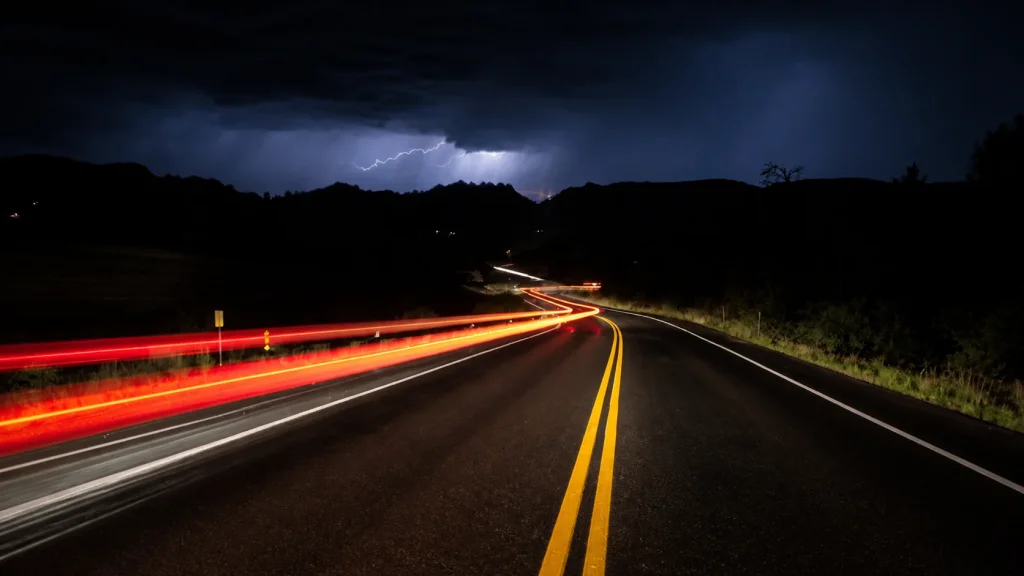
Understand weather
What Causes Heat Lightning? The Distant-Storm Myth Explained
Heat lightning is ordinary lightning from a distant storm. Learn why you can see the flash but not hear thunder, and when to seek…
Read guide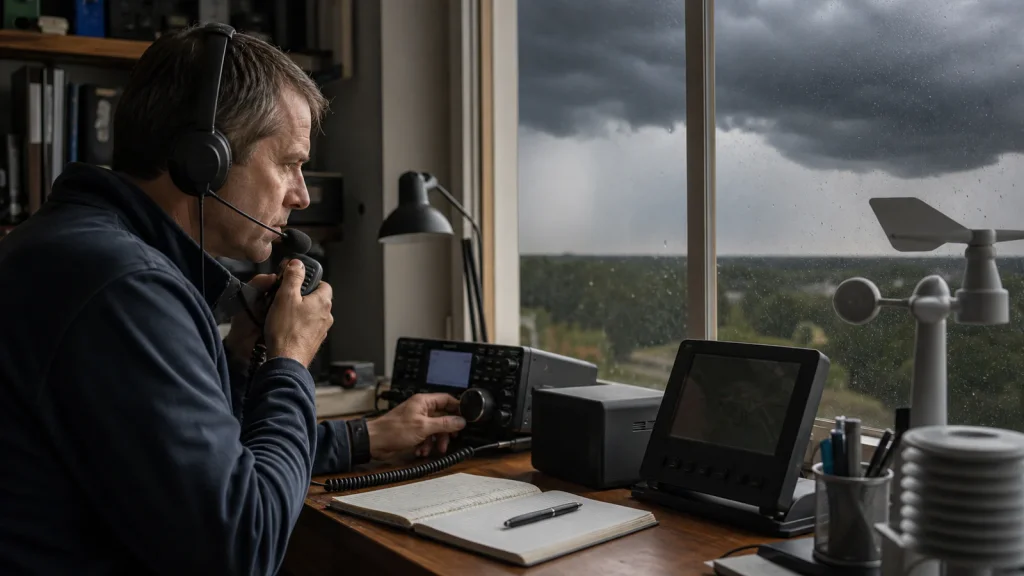
Understand weather
What Does WX Mean? Why Weather Is Abbreviated “WX”
WX means weather in aviation, radio, forecasting, and weather-observer shorthand. The usage is well established. The exact story behind the letter X is less…
Read guide
Understand weather
What Is Freezing Fog? How It Forms and Why It Is Dangerous
Freezing fog is ordinary-looking fog made hazardous by supercooled droplets that freeze on contact. Here is how it differs from ice fog, frost, and…
Read guide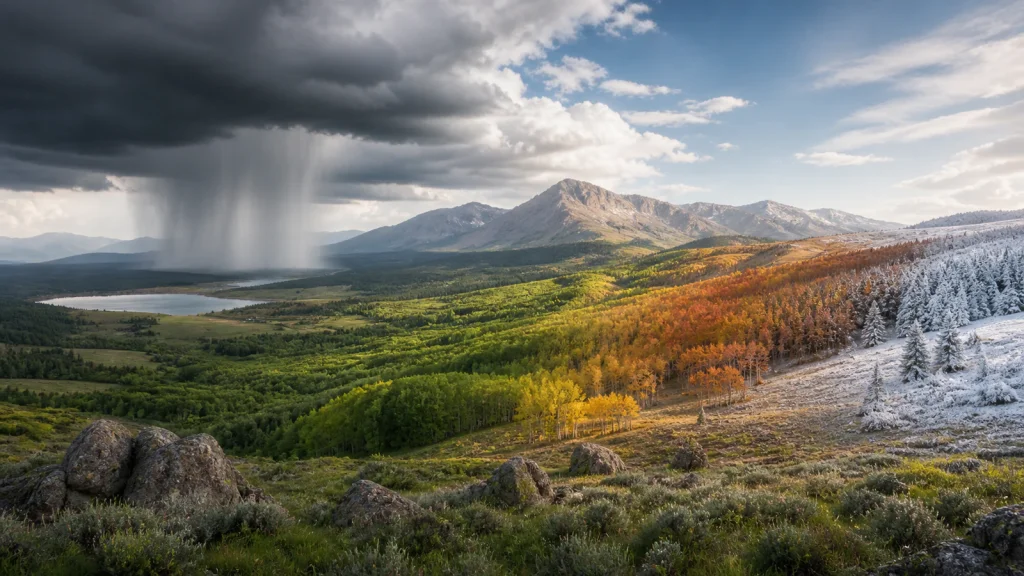
Understand weather
Weather vs. Climate: What’s the Difference?
Weather describes the atmosphere over minutes to days. Climate describes the patterns, ranges, and extremes that emerge over decades.
Read guide
Understand weather
What Do Hurricane Hunters Do? Aircraft, Instruments, and Missions
Hurricane Hunters fly instrumented aircraft into and around tropical cyclones to collect the direct observations forecasters cannot get from satellites alone.
Read guide
Understand weather
Wind Chill vs. Heat Index: How “Feels Like” Temperatures Work
Wind chill and heat index translate temperature, wind, and humidity into human heat stress. They are useful safety tools—but they do not change the…
Read guideRead weather explanations critically
Look for a process, not just a resemblance
One photograph or memorable nickname rarely tells the whole story. A stronger identification combines visible structure with where the feature sits, how it changes, and what the surrounding weather is doing.
Start with defining features
Use structure, location, and formation process before relying on color, drama, or one isolated shape.
Add time and motion
Notice whether a feature grows, drifts, rotates, dissipates, or remains attached to a larger cloud system.
Keep uncertainty visible
When the available clues do not support a firm identification, record what you can see and leave the label provisional.
Keep learning
From observation to action
Once you understand what may be forming, the next step is to observe it consistently, check it against reliable data, and respond safely when conditions warrant. The four learning paths reinforce one another; use them as a cycle, not a required sequence.
Watch weather concepts unfold where you live. A home weather station lets you connect changes in pressure, wind, temperature, and humidity with the clouds and weather developing around you. Explore home weather stations