
WXObservation learning path
Stay safe
Recognize weather hazards, understand official guidance, and make timely decisions before and during dangerous conditions.
12 published guides
Recognize the hazard and act early
Turn weather awareness into a safer decision
Weather safety is less about identifying every detail perfectly and more about recognizing when conditions require action. A warning for your location, audible thunder, dangerous heat, deteriorating winter travel, or an organized lowering beneath a storm can matter before you know every scientific detail.
This path explains hazard criteria, alert tools, shelter triggers, and practical preparedness. It is educational guidance rather than personalized emergency or medical advice. During active hazardous weather, use current information from the National Weather Service and local authorities, follow instructions for your location, and do not delay shelter to take a photograph or complete an observation.
Choose by reader task
Choose a starting point
Choose the situation that best matches your immediate concern: nearby lightning, a potentially severe storm, or a need for dependable warnings when other communications fail.
What Makes a Thunderstorm Severe? The Official U.S. Criteria
Learn what makes a thunderstorm severe in the United States and what a warning does and does not mean.Read this guideWhat Is NOAA Weather Radio? Frequencies, SAME Alerts, and How It Works
Understand NOAA Weather Radio, SAME alerts, frequencies, coverage, and why redundant warning methods matter.Read this guideComplete article directory
All Stay safe guides
Browse every published guide in this path. New articles will appear here as the library grows.

Stay safe
Microburst vs. Tornado: Damage, Wind, and Radar Clues
Learn how microbursts and tornadoes differ in airflow, radar appearance, damage evidence, duration, and safety—and why one fallen tree cannot settle the cause.
Read guide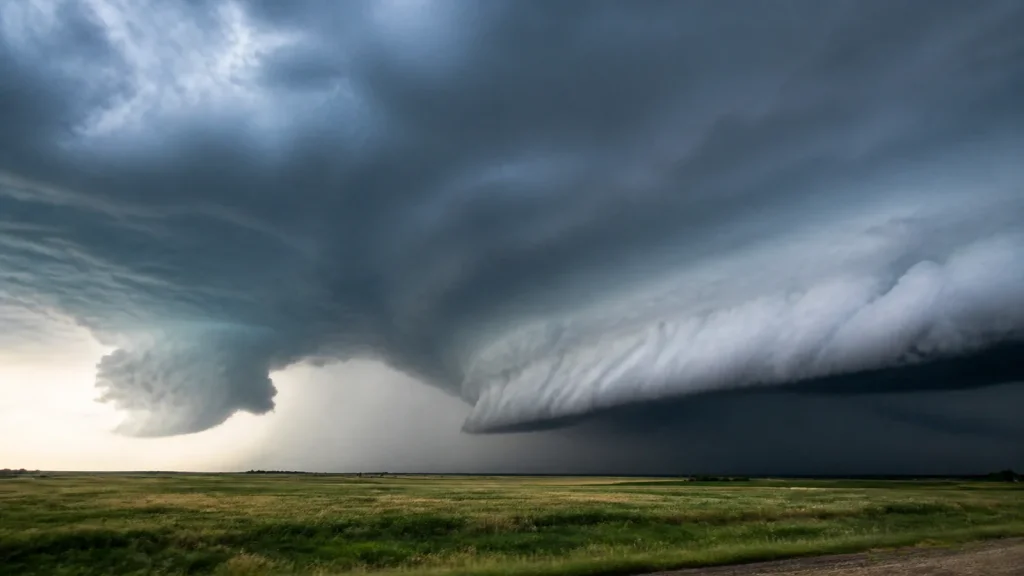
Stay safe
Shelf Cloud vs. Wall Cloud: The Inflow/Outflow Test
Use the inflow/outflow test to distinguish shelf clouds from wall clouds, understand common look-alikes, and make safer storm observations.
Read guide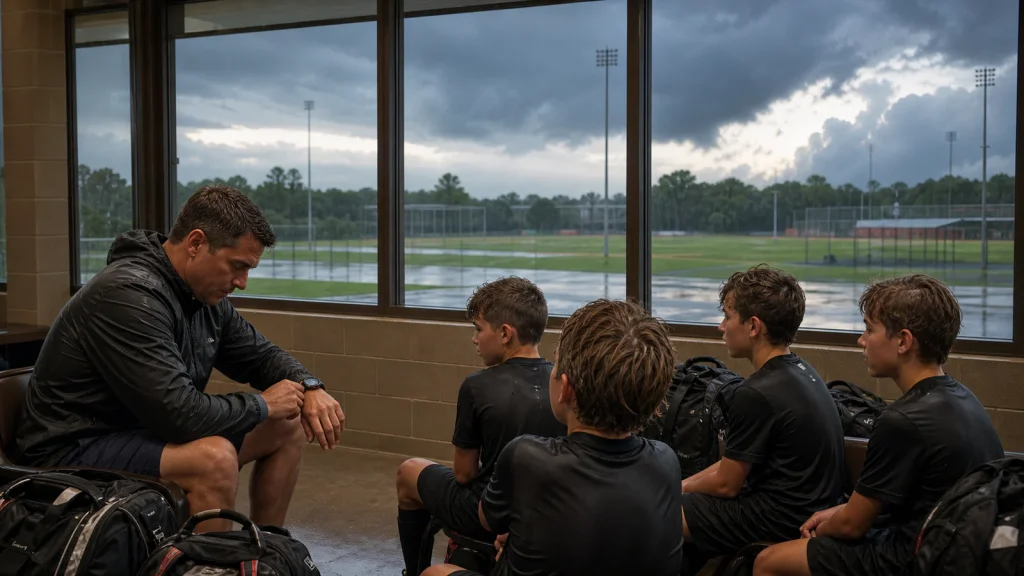
Stay safe
The 30-Minute Lightning Rule: When Is It Safe to Go Back Outside?
Learn the 30-minute lightning rule, what counts as safe shelter, why every thunderclap resets the timer, and when outdoor activity can resume.
Read guide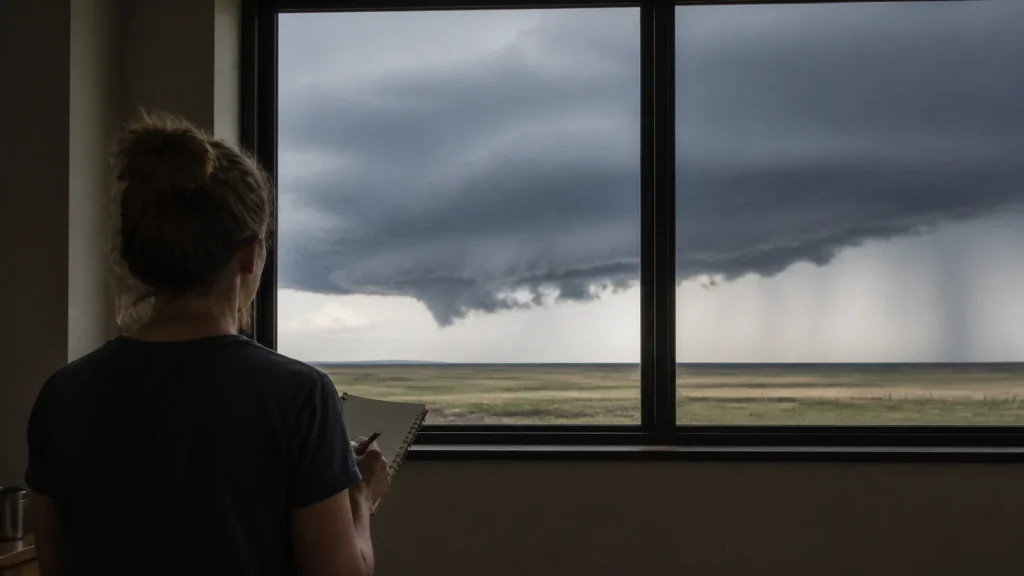
Stay safe
Scud Cloud vs. Funnel Cloud: How to Tell the Difference
Learn how scud differs from a funnel cloud, what organized rotation looks like, and when a lowering or debris cloud means seek shelter.
Read guide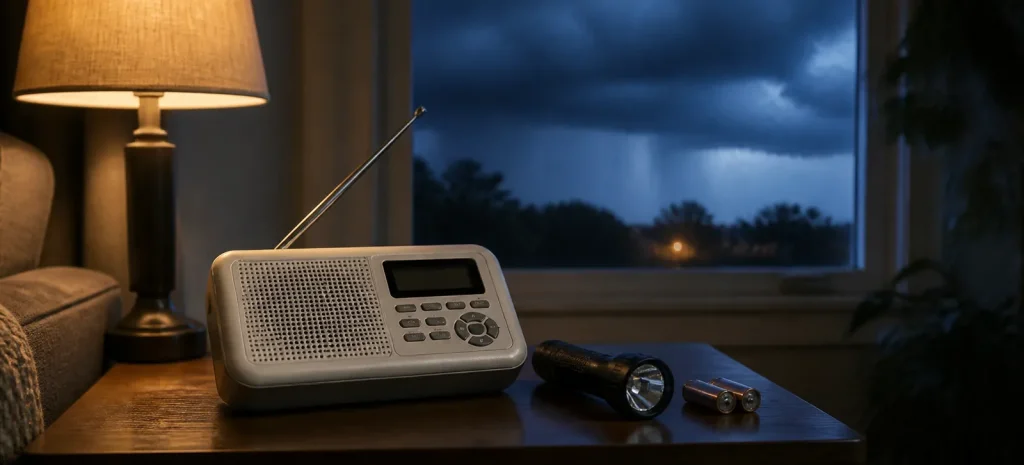
Stay safe
What Is NOAA Weather Radio? Frequencies, SAME Alerts, and How It Works
Learn how NOAA Weather Radio works, its seven frequencies, what SAME alerts do, and how to set up a reliable weather-alert receiver.
Read guide
Stay safe
What Is a Heat Wave? Causes, Heat Domes, Risks, and Safety
A heat wave is more than one hot afternoon. It is a sustained period of unusually hot conditions for a place, often made more…
Read guide
Stay safe
DIY Car Emergency Kit: What to Pack and Why
Build a practical car emergency kit around communication, visibility, shelter, first aid, traction, recovery, and seasonal passenger needs.
Read guide
Stay safe
How to Protect Your Car From Hail
Compare garages, carports, inflatable hail covers, padded covers, warning-time planning, DIY limits, and safe steps after a hailstorm.
Read guide
Stay safe
Hail Protector Review: What It Does, Limits, and Better Alternatives
Compare Hail Protector with current padded alternatives, including coverage, setup, fit, power, wind limits, and realistic hail-protection tradeoffs.
Read guide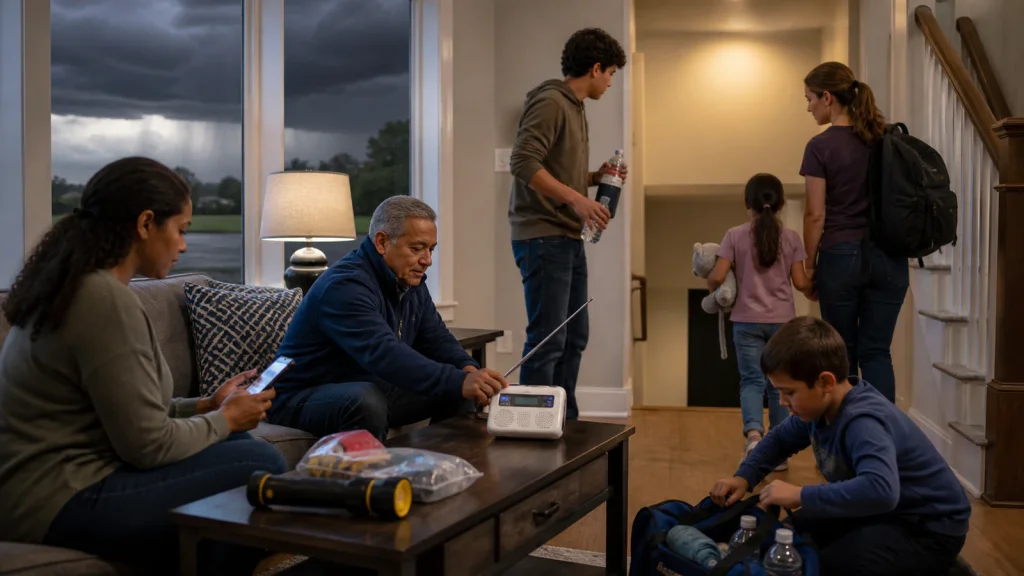
Stay safe
What Is StormReady? How Communities Become Weather-Ready
StormReady is a National Weather Service recognition program for communities that strengthen warning reception, local monitoring, communication, planning, and public preparedness.
Read guide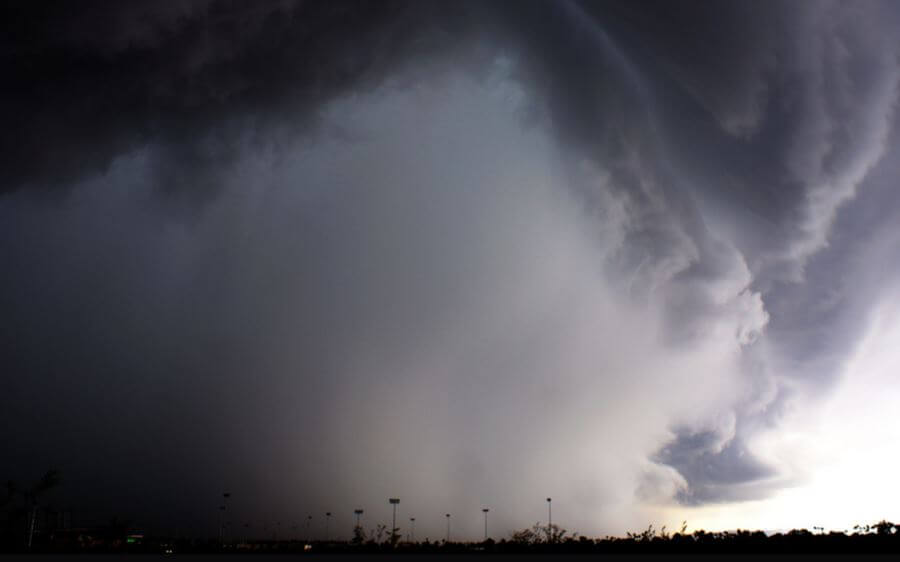
Stay safe
What Makes a Thunderstorm Severe? The Official U.S. Criteria
A U.S. severe thunderstorm produces one-inch hail, 58 mph winds, or a tornado. Learn the thresholds, watch-vs-warning difference, and safety steps.
Read guide
Stay safe
Winter Weather Preparedness and Safety
Understand winter watches, warnings, and advisories, then prepare your home, vehicle, travel plan, and response if stranded.
Read guideUse this path well
Make the decision before the hazard arrives
The best time to decide where you will shelter, how you will receive warnings, and what conditions will change your plans is before the sky or road becomes dangerous.
Choose an action trigger
Use a clear cue such as thunder, a warning for your location, unsafe heat conditions, or worsening travel information.
Know the safer place
Identify suitable shelter and a way to reach it before an activity, trip, or storm begins.
Keep information current
Use multiple alert methods and follow the latest National Weather Service and local-authority guidance for your location.
Keep learning
From observation to action
Safety guidance works best when you can recognize the hazard, understand the warning information, and act before conditions worsen. The four learning paths reinforce one another; use them as a cycle, not a required sequence.
Add local awareness to your preparedness. A home weather station can help you monitor wind, rain, heat, and pressure where you live, but it should complement official warnings, never replace them. Explore home weather stations