
WXObservation learning path
Observe and measure
Make repeatable observations and measure rain, snow, hail, wind, and other conditions with methods you can trust and report.
7 published guides
Build a dependable weather record
Turn what happened outside into useful evidence
Weather observations are most useful when another person can understand what you measured, where you measured it, and when. That requires more than reading a number from a gauge. Exposure, instrument placement, timing, units, and the difference between an estimate and a measured value all affect the record.
This path helps home observers and weather spotters build repeatable habits. The guides explain practical methods for rain, snow, hail, and daily logs, while showing how to report uncertainty instead of disguising it. You do not need a professional station to begin. A suitable site, a consistent routine, and clear notes can make a simple observation genuinely useful.
Choose by reader task
Choose a starting point
Begin with the task in front of you. These three guides cover a single event, winter accumulation, and the routine that turns separate readings into a useful record.
How to Measure Snowfall Accurately
Separate new snowfall, total snow depth, and melted liquid equivalent before recording a value.Read this guideHow to Record Daily Weather Observations
Create observations that remain comparable from one day, month, and season to the next.Read this guideComplete article directory
All Observe and measure guides
Browse every published guide in this path. New articles will appear here as the library grows.
Observe and measure
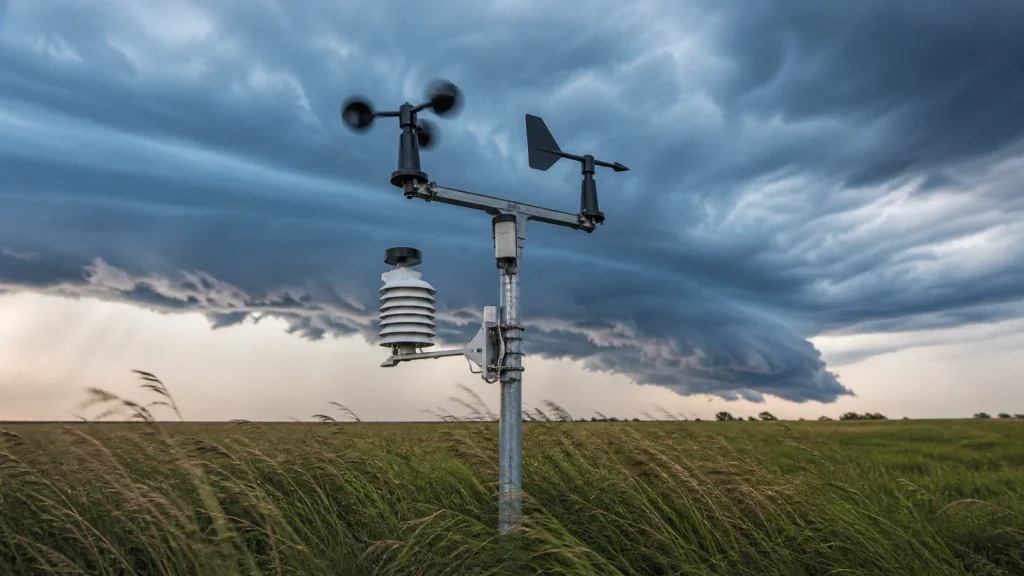
Wind Gust vs. Sustained Wind: Which Number Matters?
Understand wind gusts, sustained wind, and daily maxima. Compare your home weather station with forecasts and nearby observations using the right time windows.
Read guide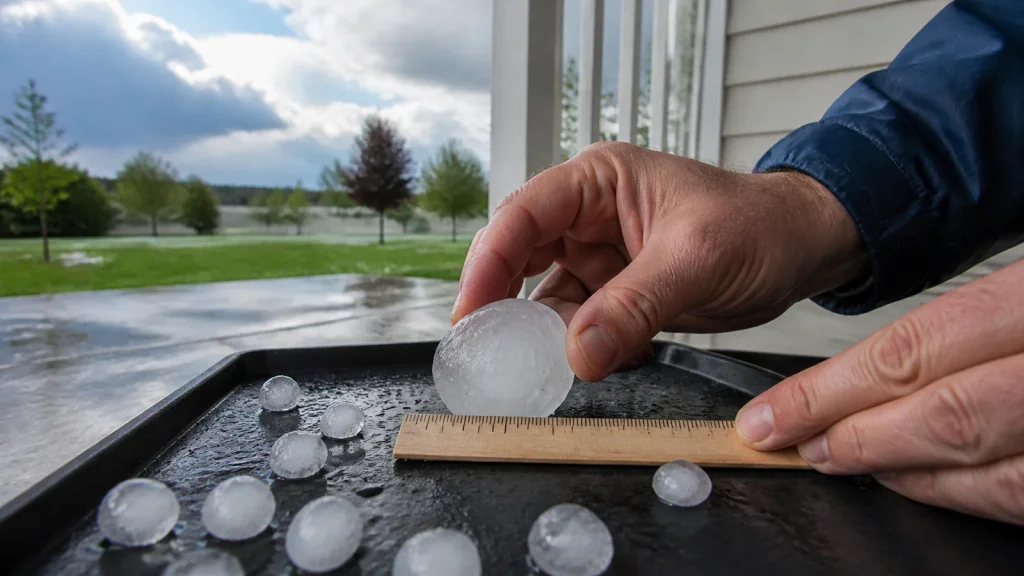
Observe and measure
How to Measure and Report Hail Size
Learn how to measure hail diameter safely, use official size comparisons, document the largest stone, and make a useful hail report.
Read guide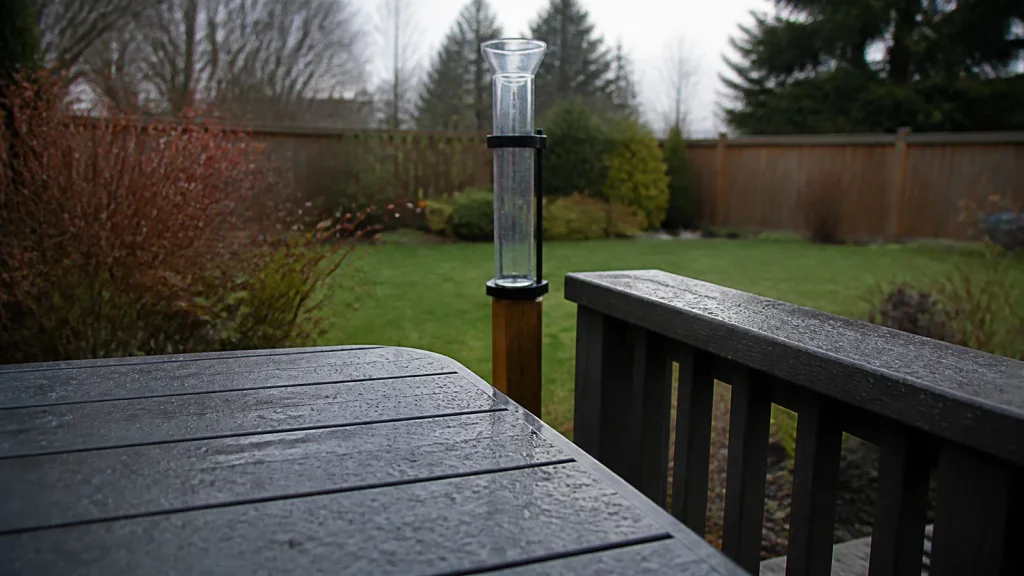
Observe and measure
What Does “Trace” Precipitation Mean?
Learn what trace precipitation means, how T differs from 0.00 or missing data, and how observers record trace rain, snow, and ice.
Read guide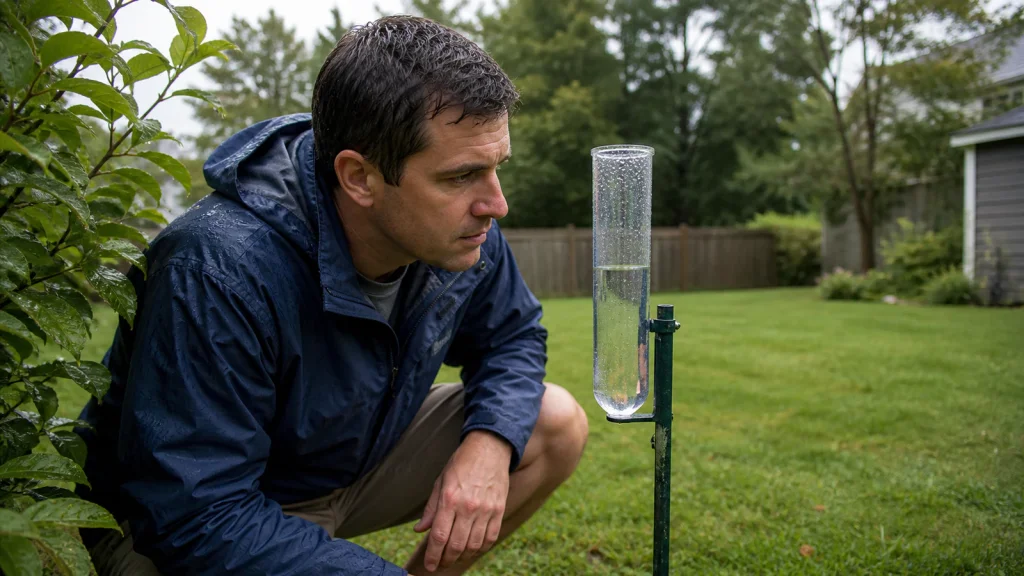
Observe and measure
How to Measure Rainfall Accurately at Home
A practical guide to placing, reading, and recording a home rain gauge accurately, including the meniscus, overflow, traces, and observation timing.
Read guide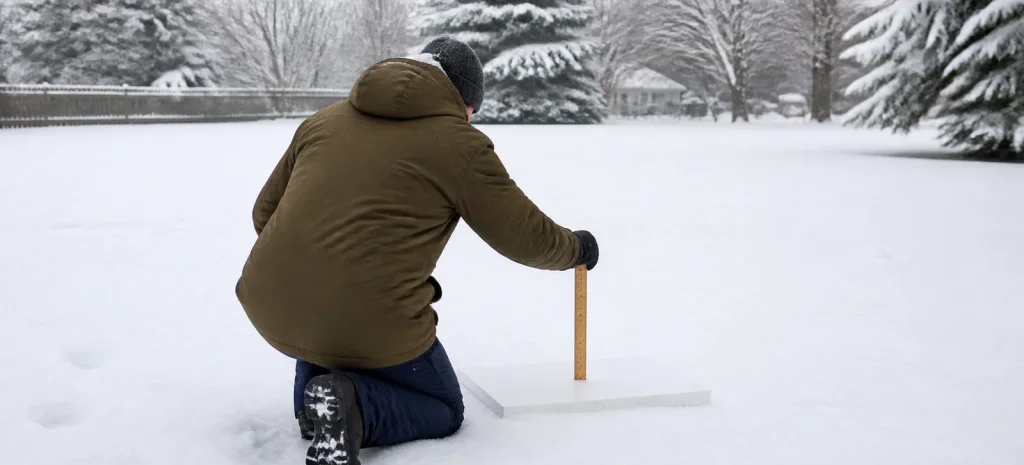
Observe and measure
How to Measure Snowfall Accurately
Measure new snowfall, total snow depth, and liquid equivalent correctly with a snow board, ruler, consistent schedule, and representative site.
Read guide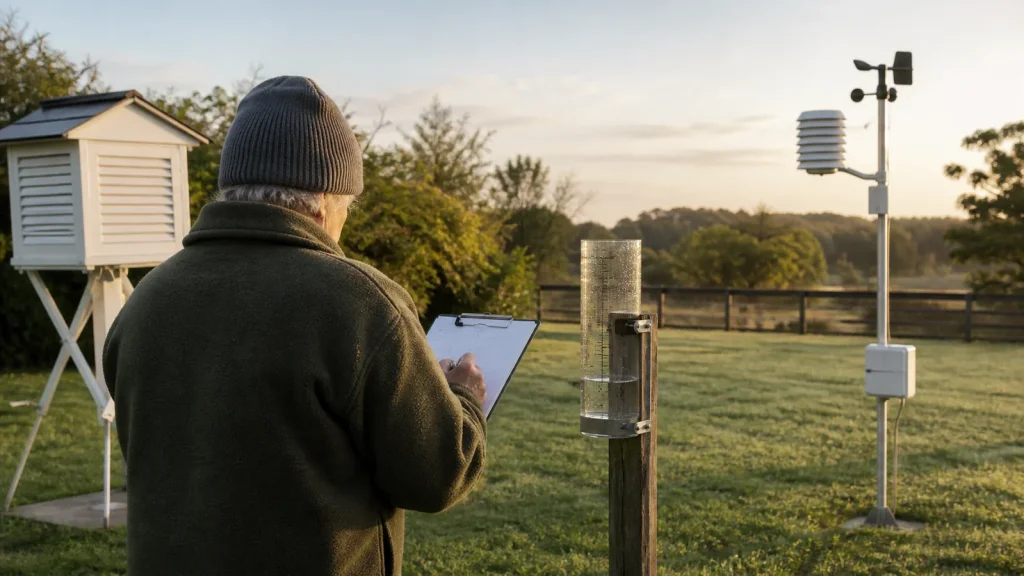
Observe and measure
How to Record Daily Weather Observations
Create consistent daily weather records with a fixed schedule, explicit units, station metadata, quality checks, and useful notes.
Read guide
Observe and measure
How to Become a Trained Weather Spotter (SKYWARN Guide)
Find local SKYWARN training, learn how to report severe weather clearly, and understand spotter registration, reporting methods, and safety.
Read guideUse this path well
What makes a weather observation trustworthy?
Trust comes from a method another observer could understand and repeat, not from adding more decimal places. Before recording a value, define exactly what it represents and whether your location fairly represents the surrounding conditions.
Define the measurement
State whether you are reporting new accumulation, a total on the ground, a peak size, a rate, or another clearly defined quantity.
Control the setting
Use representative exposure, the same observation point, and a consistent schedule whenever the method allows.
Preserve the context
Include the time, units, site notes, and anything that may have affected the reading. Safety always takes priority over completing an observation.
Keep learning
From observation to action
A reliable measurement becomes more valuable when you understand the weather process behind it, compare it with timely data, and know when changing conditions require action. The four learning paths reinforce one another; use them as a cycle, not a required sequence.
Turn careful observations into a continuous local record. A home weather station can track conditions between manual readings, reveal daily patterns, and help you compare instrument data with what you see outside. Explore home weather stations