
A weather education site led by Dr. Jaime
WXObservation helps curious readers understand the weather they observe and make better-informed choices about home weather station technology.
Former airport weather observer
Owner and editorial lead
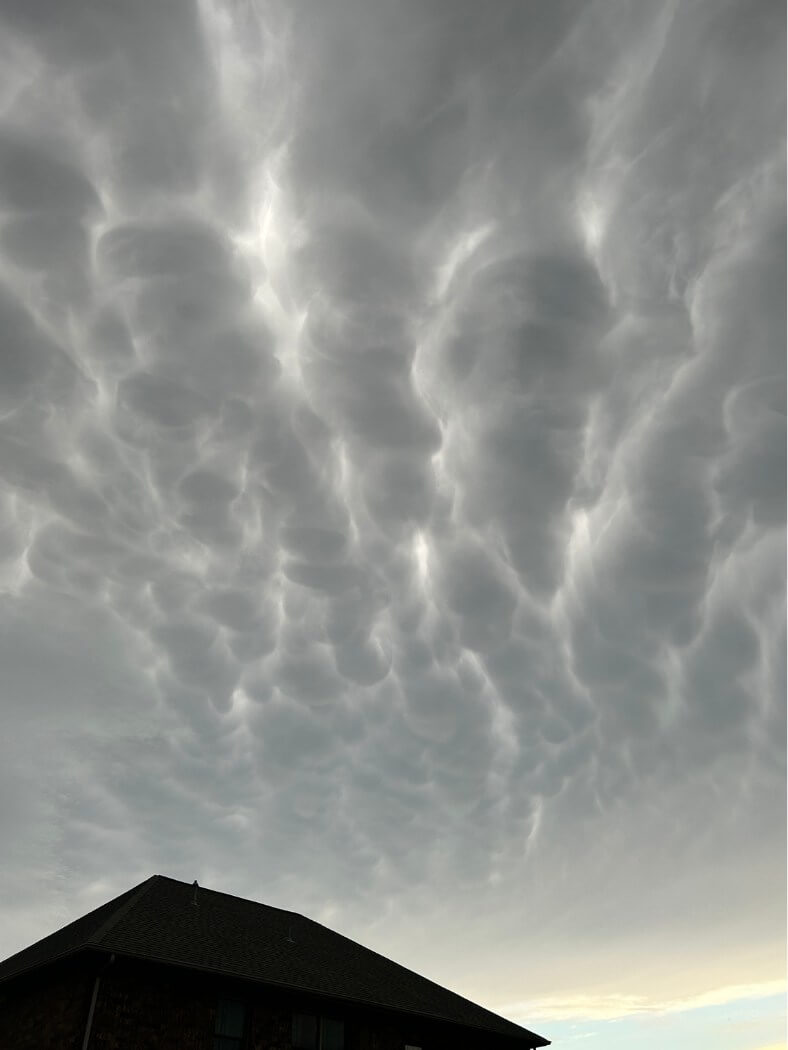
Meteorology has been both a profession and a lifelong curiosity
Hi, I’m Dr. Jaime, the owner and editorial lead of WXObservation. I hold a master’s degree and Ph.D. in meteorology, and I have always loved learning about weather and helping other people understand it.
My connection to weather began well before this website. During college, I spent time storm chasing and learning to connect classroom concepts with the atmosphere unfolding in front of me. I later worked for several years as a weather observer at an airport, where careful observation, instrument readings, and formal reporting procedures were part of the job.
WXObservation brings those experiences together. It gives me a place to keep learning, teach in plain language, and help readers make sense of both atmospheric science and the instruments people use to observe weather at home.
Meteorological training shapes the questions WXObservation asks about measurements, sensor exposure, accuracy claims, terminology, and the practical meaning of a weather station’s specifications.
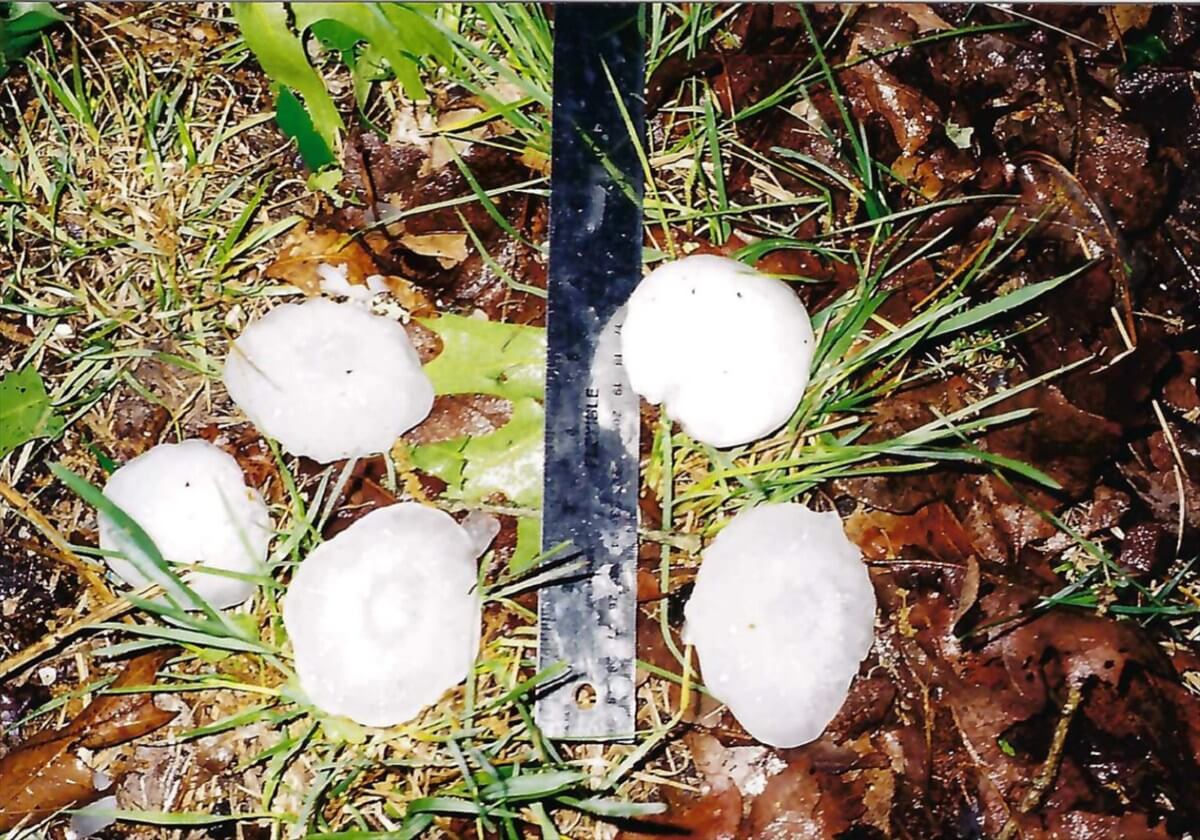
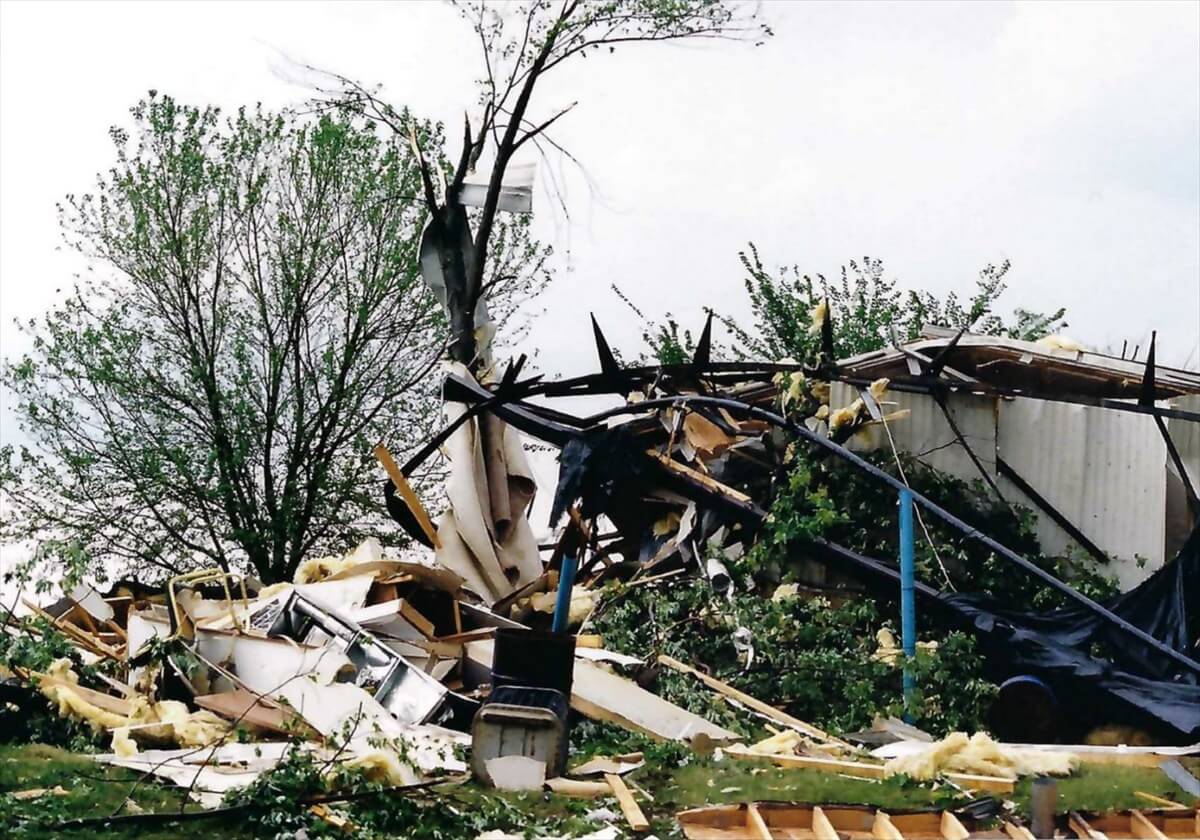
Weather becomes more useful when it becomes understandable
The goal is not to make weather sound complicated. The goal is to help readers notice more, understand more, and choose tools that fit the way they want to observe.
Weather information often arrives as jargon, disconnected numbers, or long product feature lists. WXObservation connects the science to the practical question a reader is trying to answer.
That may mean explaining why a backyard temperature reading differs from a weather app, how sensor siting affects a measurement, or which station design makes the most sense for a particular home and set of priorities.
Education, practical guidance, and carefully structured comparisons
WXObservation is built for readers who want a useful answer and enough context to understand why it makes sense.
Weather education
Clear explanations of atmospheric processes, observations, terminology, hazards, and the weather people encounter in everyday life.
Learn & Guides
Practical help with station siting, installation, calibration, maintenance, troubleshooting, and interpreting the measurements a home station reports.
Station evaluations
Comparisons of current home weather stations using defined criteria, exact product information, relevant documentation, and a clear view of buyer fit and tradeoffs.
How Dr. Jaime’s expertise guides the site
WXObservation’s library is developed under Dr. Jaime’s editorial direction. She sets the site’s meteorological standards, shapes the questions its content should answer, and focuses her direct attention where scientific judgment has the greatest effect.
For weather education and Learn & Guides, that direction emphasizes accurate terminology, appropriate context, authoritative sources, and clear distinctions between an observation, an interpretation, and a common misconception.
For weather station guidance, it emphasizes the relationship between sensor design, exposure, calibration, reporting behavior, maintenance, and the usefulness of the resulting observations. It also keeps consumer product language in context with established measurement principles.
How we evaluate home weather stations
A useful recommendation begins with the reader’s priorities, then applies the same relevant criteria across current products. Dr. Jaime established the meteorological principles, evaluation criteria, and category priorities used in WXObservation’s station comparisons.
Start with the use case
We define what matters for the category, including the measurements, siting constraints, display needs, connectivity, expansion goals, budget, and level of ownership effort involved.
Confirm the exact product
We identify the current model, bundle, included components, supported accessories, and meaningful differences between products with similar names.
Examine current evidence
We research product manuals, manufacturer and support documentation, published specifications, reporting intervals, warranties, replacement-part information, availability, and relevant owner feedback.
Apply consistent criteria
Stations are compared across sensor design, siting flexibility, reporting speed, displays, connectivity, expansion, ownership considerations, value, and buyer confidence.
Interpret the result
Recommendations explain why a station fits a particular reader, where its tradeoffs matter, and which alternative may make more sense when priorities change. Meteorological expertise helps distinguish a consequential measurement issue from a feature that is mainly a matter of preference.
How evidence is weighed
Not every source answers the same kind of question. We use each source for what it can reasonably establish and look for agreement across the most relevant evidence.
- Manuals and official support material for setup, operation, compatibility, and documented limitations
- Exact model and bundle information for fair product-to-product comparisons
- Published tolerances and reporting intervals for measurement and update expectations
- Warranty, replacement-part, serviceability, and availability details for the ownership picture
- Relevant owner feedback as a secondary signal for recurring usability or reliability patterns
Affiliate funding does not determine our recommendations
WXObservation may earn a commission when a reader purchases through certain links. Those relationships help support the site, but they do not determine which products are included, how stations are evaluated, how ratings are assigned, or which products are recommended.
Product price, availability, warranty, serviceability, and long-term ownership costs may affect a recommendation because they affect the buyer. A commission rate does not.
For more detail, read the affiliate disclosure.
Recommendations follow the agreed category criteria and the evidence relevant to that buyer’s needs. Commercial relationships do not receive a vote.
Good information should be traceable and correctable
Weather science is established through evidence, while products, software, bundles, warranties, and availability can change. WXObservation revisits important material when new information affects the usefulness of an explanation or recommendation.
When a page shows an updated date, it should reflect a meaningful review or revision rather than an automatic calendar change. If you notice an error, a changed product detail, or a passage that needs clearer context, please tell us.
Curiosity is where good weather observation begins
Whether you are learning why the sky looks the way it does or deciding what belongs in your own backyard observing setup, WXObservation is here to help you ask better questions and understand the answers.
— Dr. Jaime